
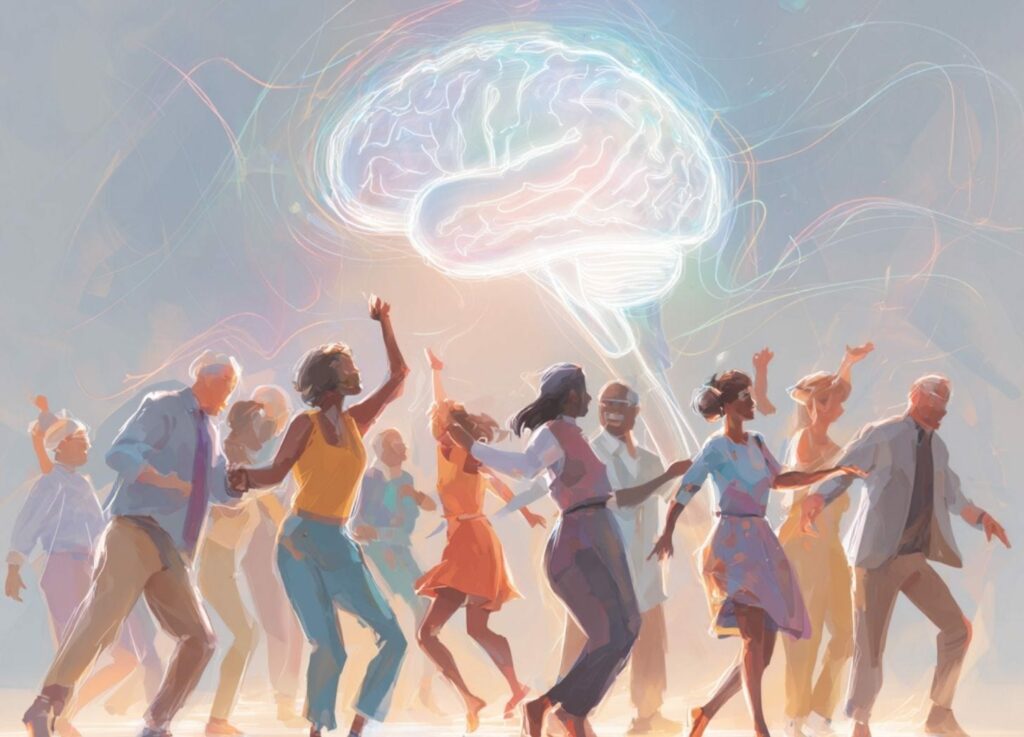
Dance is often seen as a form of artistic expression, entertainment, or physical exercise. However, beneath the movement, rhythm, and creativity lies something much deeper: a continuous conversation between the body and the mind. Through dance, people learn to recognize physical sensations, understand emotions, and develop a stronger sense of presence.
Unlike many activities that separate mental focus from physical action, dance requires both to work together. Every movement involves awareness—of posture, breathing, balance, energy, and emotion. This connection creates an opportunity to understand ourselves in a more complete way.
Understanding the Body-Mind Connection Through Movement
The body and mind are not separate systems working independently. They constantly influence each other. Thoughts affect physical sensations, while physical experiences shape emotions and mental states.
When someone feels stressed, the body may respond with tense muscles, shallow breathing, or restless movement. When someone feels confident and relaxed, the body often moves with greater freedom and ease. Dance helps bring attention to these connections by encouraging people to notice what is happening internally.
Through intentional movement, dancers begin to ask important questions:
- How does my body feel right now?
- Where am I holding tension?
- How does my breathing change with different movements?
- What emotions appear when I move in certain ways?
This awareness transforms dance from a simple physical activity into a practice of self-discovery.
How Dance Develops Physical Awareness
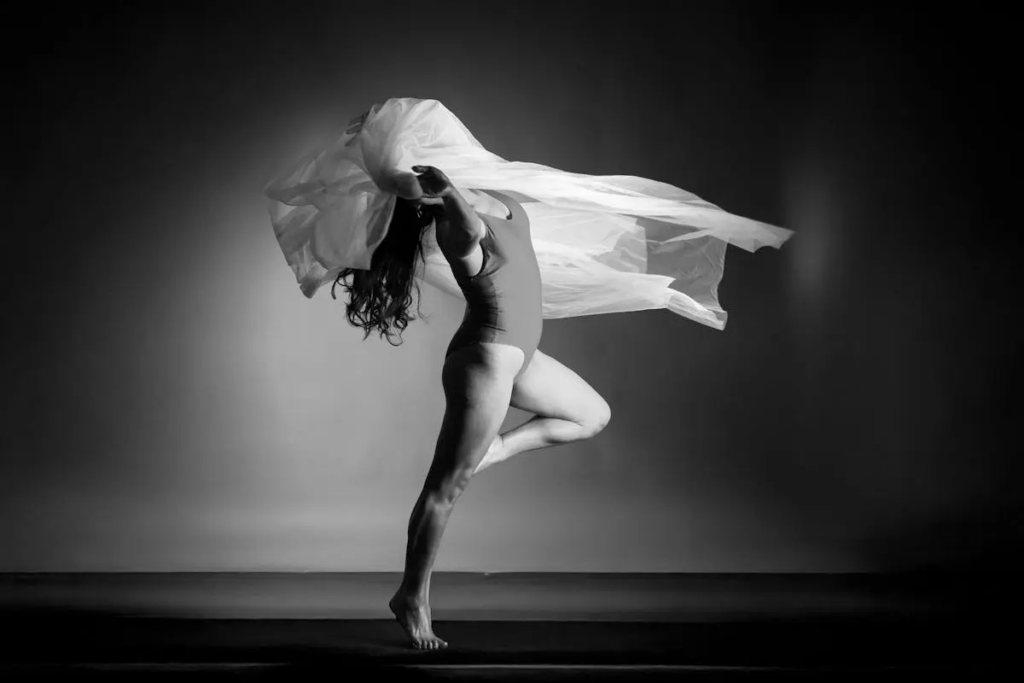
Physical awareness is the ability to recognize and understand sensations within the body. Dancers continuously develop this skill because movement requires attention to detail.
A dancer learns to notice:
- The position of each part of the body
- The relationship between balance and movement
- The amount of effort needed for different actions
- The connection between breath and physical expression
- Changes in energy and muscle tension
Over time, this awareness improves coordination, control, and confidence. More importantly, it creates a stronger relationship with the body.
Many people move through daily life without paying attention to their physical state until discomfort appears. Dance encourages a different approach: listening to the body before it demands attention. This habit can lead to better posture, improved movement patterns, and a greater understanding of personal physical needs.
Dance as a Form of Mindfulness
Mindfulness means being fully present in the current moment. While often associated with meditation, mindfulness can also be experienced through movement.
Dance naturally encourages a mindful state because it requires concentration. When dancing, the mind focuses on rhythm, sensation, timing, and expression. This focus creates a break from constant distractions and encourages deeper awareness.
A mindful dance practice may include:
- Paying attention to breathing patterns.
- Feeling the movement of muscles and joints.
- Observing emotions without judgment.
- Staying connected to the present moment.
- Allowing movement to develop naturally.
When dancers become fully engaged with movement, they often experience a state of flow. In this state, actions feel more natural, thoughts become quieter, and awareness becomes stronger.
The Emotional Language of Movement
The body often expresses emotions before the mind can describe them. A person may show excitement through energetic movements, sadness through slower gestures, or confidence through open posture.
Dance provides a way to explore these emotional signals. Through movement, people can communicate feelings that may be difficult to express with words.
Different styles of dance may encourage different emotional experiences:
- Slow, expressive movements can create space for reflection and emotional release.
- Energetic rhythms can help release stress and increase feelings of vitality.
- Improvisational dance can encourage creativity and emotional honesty.
- Partner dancing can develop trust, connection, and awareness of others.
By exploring movement freely, dancers learn to recognize emotional patterns and respond to their inner experiences with greater understanding.
Building Self-Awareness Through Dance Practice
Developing body and mind awareness does not require professional dance training. Anyone can use movement as a tool for self-exploration.
Simple practices can help strengthen this connection:
Start With Body Scanning
Before dancing, take a moment to notice how the body feels. Pay attention to areas of comfort, tension, or fatigue. This creates a foundation of awareness before movement begins.
Focus on Sensations Instead of Perfection
Many people avoid dance because they worry about performing movements correctly. However, awareness grows when attention shifts from appearance to experience.
Instead of asking:
“Do I look right?”
Try asking:
“What do I feel as I move?”
This change allows dance to become a personal experience rather than a performance.
Explore Different Types of Movement
Trying different dance styles can reveal different aspects of the body and mind. A structured style may develop discipline and precision, while free movement may encourage emotional expression and creativity.
Reflect After Movement
After dancing, take time to notice changes in mood, energy, and physical sensations. Reflection helps strengthen the connection between movement and self-awareness.
The Benefits of a Stronger Body-Mind Connection
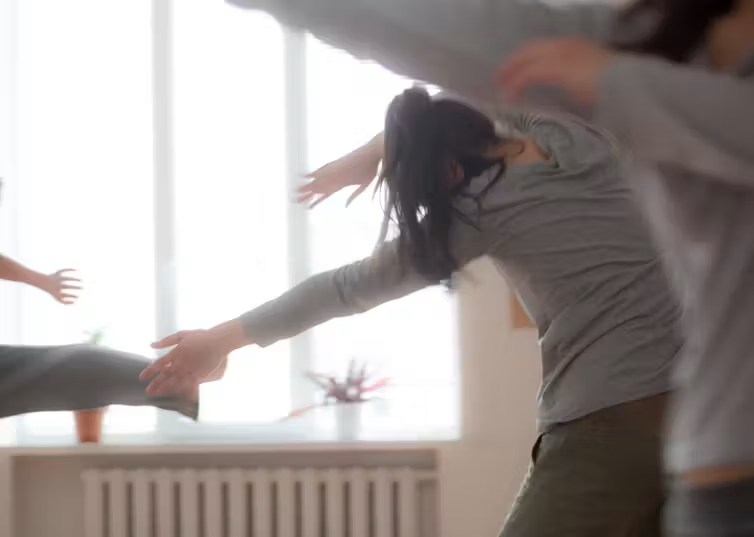
Developing awareness through dance can influence many areas of life. A deeper connection with the body may support:
- Increased confidence and self-expression
- Better emotional understanding
- Reduced stress and mental tension
- Improved concentration and presence
- Greater appreciation for physical abilities
- Stronger connection with others
Dance teaches that the body is not simply something to control or evaluate. It is a source of information, creativity, and communication.
Dance as a Lifelong Practice of Awareness
One of the most powerful aspects of dance is that it can evolve with every stage of life. A child may use dance to explore creativity, an adult may use it to manage stress, and an older person may use it to maintain connection with movement and expression.
The goal is not always to master complicated techniques or achieve perfect performance. The deeper purpose is to build a relationship with oneself.
Every movement becomes an opportunity to listen. Every rhythm becomes an invitation to be present. Every dance becomes a conversation between body and mind.
Conclusion
Dance creates a unique pathway toward self-awareness by bringing together physical movement, emotional expression, and mindful attention. It teaches people to listen to their bodies, recognize their feelings, and become more connected to the present moment.
Through dance, the body and mind learn to communicate more clearly. This conversation does not require words—it happens through rhythm, sensation, and movement. By embracing dance as a practice of awareness, anyone can discover a deeper understanding of themselves and the world around them.