
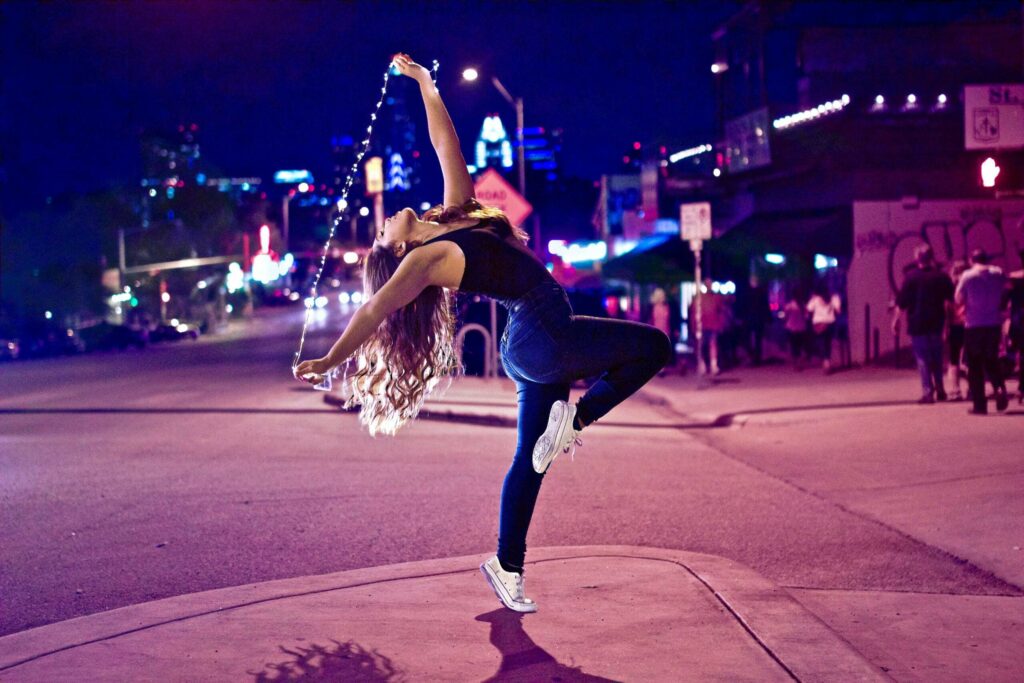
Dance is often associated with performances, studios, and carefully practiced routines. However, movement does not have to happen only in structured environments or on special occasions. Dance can be a simple and natural part of everyday life—a way to reconnect with the body, improve mood, encourage creativity, and become more aware of the present moment.
Everyday dance is not about learning complicated steps or becoming a professional performer. It is about allowing movement to become a form of self-expression and mindfulness. A few moments of intentional movement can create a deeper connection between the body, mind, and emotions.
By bringing mindful movement into daily routines, people can discover that dance is not something separate from life. It is already part of the way we experience the world.
What Is Everyday Dance?
Everyday dance is the practice of incorporating natural, expressive movement into daily life. It can happen anywhere and at any time—while listening to music, taking a break from work, preparing a meal, or simply moving through a space.
Unlike traditional dance training, everyday dance focuses less on technique and more on awareness.
It encourages people to notice:
- How their body feels
- How movement affects emotions
- How rhythm influences energy
- How physical expression supports creativity
The goal is not to perform for others. The goal is to create a personal relationship with movement.
The Connection Between Movement and Mindfulness

Mindfulness means paying attention to the present moment with awareness and openness. While many people associate mindfulness with stillness, movement can also be a powerful way to practice it.
When people dance mindfully, they become more aware of their physical and emotional experiences.
A mindful movement practice may involve:
- Noticing the sensation of each movement.
- Paying attention to breathing and rhythm.
- Observing emotions without judgment.
- Allowing the body to move naturally.
- Staying connected to the current moment.
This type of awareness helps people move from simply going through daily routines to fully experiencing them.
How Small Moments of Dance Can Improve Mood
Movement has a direct connection with emotions. A short dance break can change the way a person feels by creating a sense of energy, playfulness, and release.
Even a few minutes of movement can help people:
- Release physical tension
- Shift their emotional state
- Feel more energized
- Create moments of joy
- Reduce feelings of stress
Unlike exercise that may feel like an obligation, dance often feels more like exploration. It allows people to move in ways that feel enjoyable and personally meaningful.
A favorite song, a spontaneous movement, or a simple stretch with rhythm can become a small moment of emotional renewal.
Dance as a Tool for Self-Awareness
The body constantly communicates information. It responds to emotions, surroundings, and experiences, but people do not always take time to listen.
Everyday dance creates opportunities to reconnect with these signals.
Through movement, people can become more aware of:
- Areas of tension or relaxation
- Changes in energy levels
- Emotional responses
- Personal preferences
- Physical needs
This awareness can lead to a stronger understanding of the self. Instead of ignoring what the body communicates, people learn to respond with attention and care.
Encouraging Creativity Through Movement
Creativity is not limited to artists or performers. Everyone has the ability to create, imagine, and express ideas.
Dance can unlock creativity because it encourages experimentation. There are no limits on how a person can interpret music, space, or emotion.
Creative movement can involve:
- Trying new ways to move
- Responding to different types of music
- Exploring different rhythms
- Creating spontaneous gestures
- Allowing imagination to guide the body
When people give themselves permission to move freely, they often discover new ideas and perspectives that can influence other areas of life.
Simple Ways to Add Dance Into Everyday Life
Bringing dance into daily routines does not require major changes. Small moments of movement can create meaningful benefits.
Start the Day With Movement
A few minutes of gentle movement in the morning can help create a positive mindset. Stretching, swaying, or moving to music can help the body wake up and prepare for the day.
Take Movement Breaks
Long periods of sitting can create physical and mental fatigue. A short movement break can refresh attention and energy.
Try:
- Standing and stretching with music
- Moving freely for one song
- Shaking out tension from the body
- Walking with awareness and rhythm
Dance While Doing Everyday Activities
Movement can be added naturally to daily tasks. Cooking, cleaning, or getting ready can become opportunities for rhythm and expression.
Create Personal Dance Rituals
A personal dance ritual can become a regular moment of connection. This might be a few minutes of movement before bed, after work, or whenever a reset is needed.
Moving Without Judgment

One of the most important parts of everyday dance is letting go of the need to perform correctly.
Many people avoid dancing because they worry about how they look. However, mindful movement is not about appearance. It is about experience.
A helpful mindset is:
- Move because it feels good.
- Explore instead of evaluate.
- Focus on sensations rather than perfection.
- Allow your movement to be personal.
When judgment is removed, dance becomes more accessible and enjoyable.
The Benefits of Developing a Movement Practice
A regular connection with movement can influence many areas of life.
Everyday dance can support:
Physical Awareness
People become more familiar with their bodies and how they move.
Emotional Balance
Movement provides a healthy way to express and process feelings.
Confidence
Regular self-expression can strengthen comfort and trust in the body.
Presence
Mindful movement encourages people to experience the current moment more fully.
Connection
Dance can create opportunities for personal reflection and connection with others.
Dance as a Way of Living More Fully
Dance does not have to be separate from everyday experiences. It can exist in small moments—the way someone walks, stretches, celebrates, or responds to music.
When movement becomes part of daily life, people begin to see their bodies differently. The body becomes not just something that carries them through the day, but something that helps them experience and express life.
Everyday dance reminds people that creativity and connection are always available. They do not require a stage, an audience, or perfect technique.
Conclusion
Bringing mindful movement into daily life allows dance to become a source of awareness, creativity, and emotional well-being. Small moments of movement can help people reconnect with their bodies, improve their mood, and experience greater presence.
Everyday dance is a reminder that movement is not only something we do—it is a way we communicate, explore, and connect with ourselves.
A single step, a simple rhythm, or a few moments of free movement can transform an ordinary day into an opportunity for self-expression.