
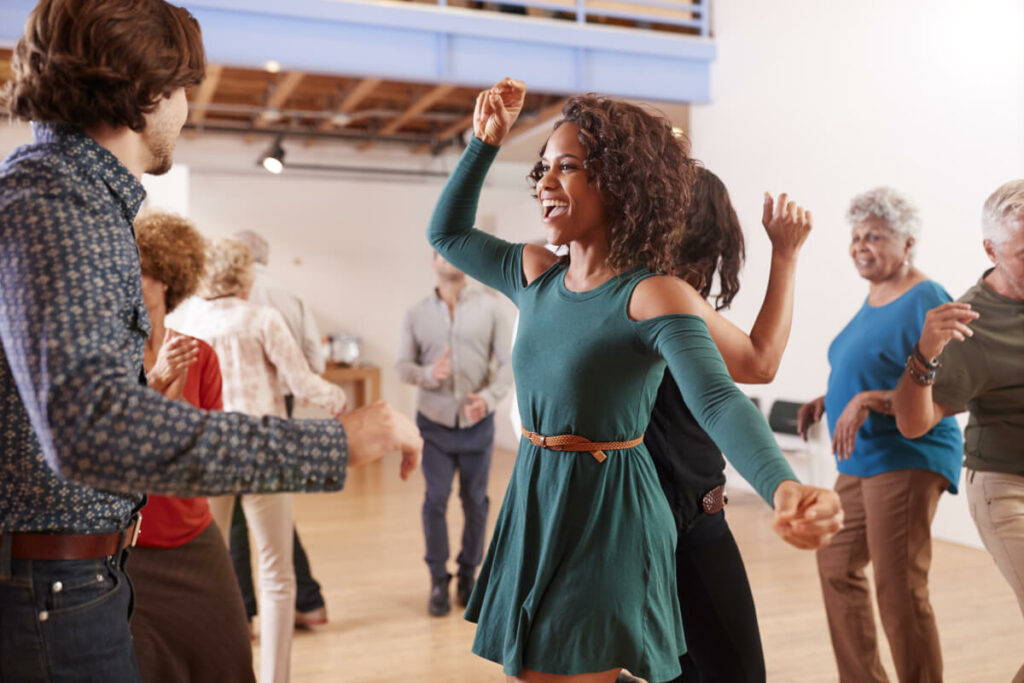
Dance has always been more than a sequence of movements performed to music. It is a way for people to communicate, connect, and share experiences without needing words. Across cultures and communities, people have gathered through dance to celebrate important moments, express emotions, and strengthen relationships.
When people move together, something powerful happens. They begin to understand each other through rhythm, energy, and shared experiences. Dance creates opportunities for connection by encouraging trust, empathy, and a sense of belonging.
In a world where people often feel disconnected, movement offers a reminder that human connection can begin with something as simple as moving together.
The Social Power of Dance
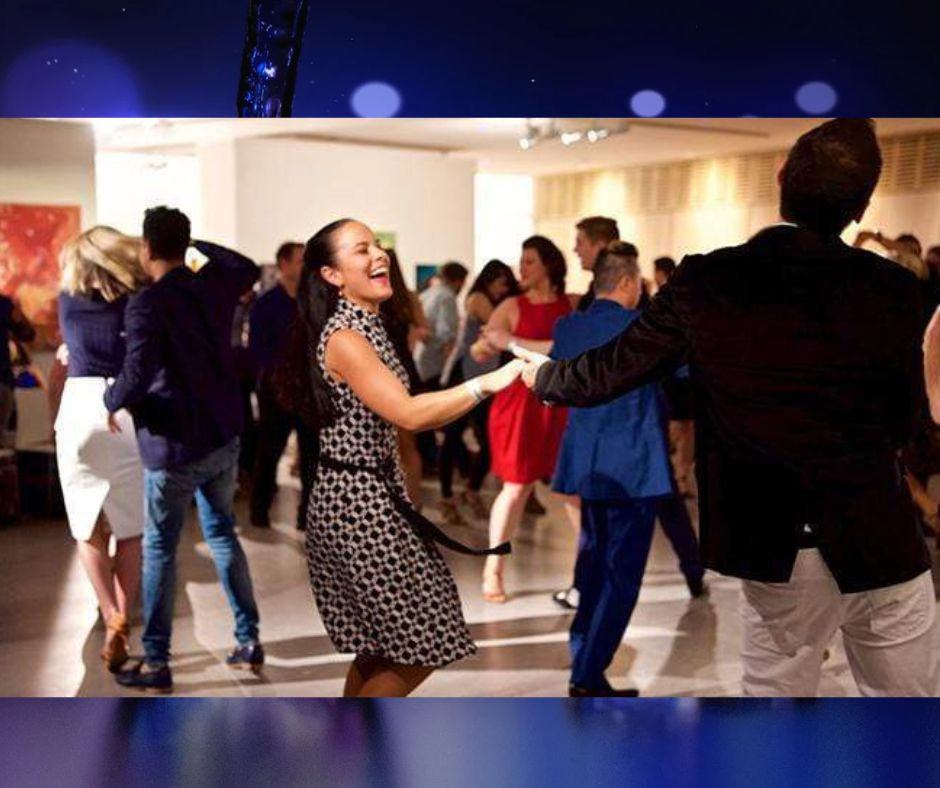
Humans are naturally drawn to rhythm and shared experiences. Whether it is a traditional celebration, a social gathering, or a dance class, movement brings people into the same space and creates a sense of togetherness.
Unlike many forms of communication that depend on language, dance allows people to connect through physical expression. A smile, a gesture, a shared rhythm, or a coordinated movement can create understanding between people who may not otherwise interact.
Dance builds connection by encouraging:
- Cooperation and teamwork
- Shared experiences
- Emotional expression
- Trust between individuals
- A sense of community
When people dance together, they are not only moving their bodies—they are participating in a shared moment.
How Movement Builds Relationships
Strong relationships are built through communication, trust, and understanding. Dance naturally supports all three.
When dancing with others, people learn to pay attention. They notice timing, movement patterns, energy, and reactions. This awareness creates a deeper connection because each person becomes part of a larger experience.
Partner and group dances especially highlight the importance of cooperation. Dancers must listen to one another through movement, respond to changes, and find balance together.
These skills often reflect important parts of human relationships:
- Listening before responding
- Respecting personal boundaries
- Adjusting to others’ needs
- Supporting shared goals
- Building trust over time
Through dance, people practice connection in a physical and emotional way.
Dance as a Pathway to Empathy
Empathy is the ability to understand and appreciate another person’s feelings and experiences. Dance can help develop empathy because it encourages people to see the world from different perspectives.
When people learn movements from another person or culture, they gain insight into different stories and traditions. They begin to understand that every movement has meaning behind it.
Dance encourages empathy by allowing people to:
- Experience different perspectives
- Recognize emotional expression
- Appreciate individual differences
- Connect beyond assumptions
A movement created from someone’s personal experience can become a bridge between people. It allows others to understand something they may not have experienced themselves.
The Importance of Shared Rhythm
Rhythm is one of the strongest elements connecting people through dance. When individuals move together, their bodies naturally begin to respond to the same patterns.
Shared rhythm creates a feeling of unity. It reminds people that they are part of something larger than themselves.
This connection can be seen in many forms of dance:
- Community dances that bring groups together
- Cultural celebrations that preserve traditions
- Social dances that encourage interaction
- Group movement practices that create collective energy
Moving together creates a sense of belonging because people are participating in a shared experience rather than acting alone.
Dance and the Feeling of Belonging
Belonging comes from feeling accepted, valued, and connected to others. Dance communities can create this feeling by providing spaces where people come together through movement.
A welcoming dance environment allows people to:
- Meet others with similar interests
- Express themselves freely
- Build friendships
- Feel supported and included
- Experience connection without pressure
For many people, a dance group becomes more than a place to learn movements. It becomes a community where they feel understood.
The feeling of belonging that develops through dance can have a lasting impact. People often carry the confidence and connections they build through movement into other areas of their lives.
Breaking Social Barriers Through Dance
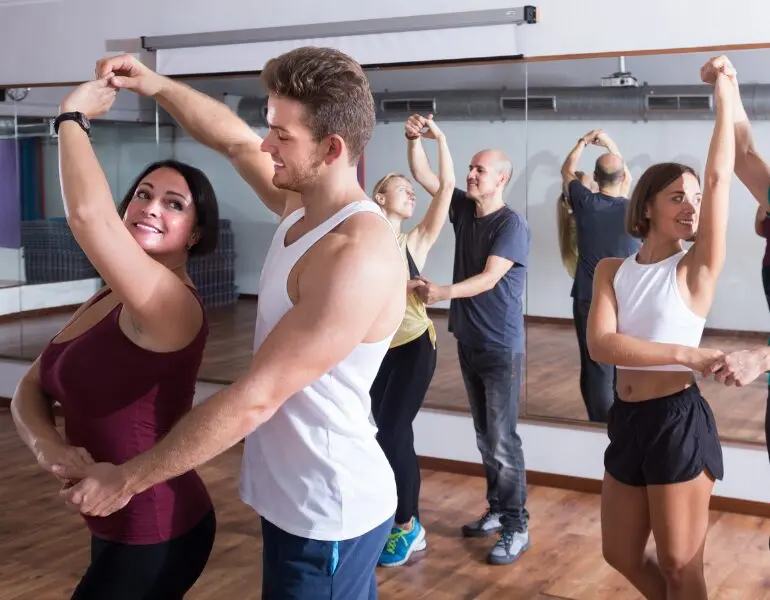
Dance has the unique ability to bring together people who may have different backgrounds, ages, abilities, or experiences.
When people dance together, many traditional barriers become less important. The focus shifts away from differences and toward shared participation.
Dance can connect people across:
- Generations
- Cultures
- Languages
- Personal experiences
- Skill levels
A beginner and an experienced dancer can share the same space. People from different backgrounds can find common ground through movement. This creates opportunities for understanding that may not happen through conversation alone.
The Role of Vulnerability in Connection
True connection requires openness. Dance often involves showing emotions, exploring creativity, and allowing others to see a more personal side of ourselves.
For some people, this vulnerability can feel challenging at first. However, supportive dance spaces help individuals feel comfortable expressing themselves.
When people allow themselves to move freely, they often discover:
- Greater self-confidence
- More comfort with others
- Stronger emotional awareness
- A deeper sense of connection
Being vulnerable through dance can create meaningful relationships because it allows people to connect authentically.
Dance as a Shared Language
Every culture has its own dance traditions, but the desire behind movement is universal. People dance to celebrate, remember, connect, heal, and express what words cannot always describe.
Dance becomes a shared language because it communicates through:
- Emotion
- Rhythm
- Energy
- Creativity
- Presence
Two people may not speak the same language, but they can still connect through movement. This ability makes dance one of the most inclusive forms of human expression.
Creating More Connected Communities Through Dance
Communities become stronger when people have opportunities to connect. Dance can play an important role in creating these opportunities.
A connected dance community encourages:
- Respect for different experiences.
- Inclusion of all participants.
- Support and encouragement.
- Creative collaboration.
- Genuine human connection.
Whether through a professional dance group, a community class, or an informal gathering, movement creates spaces where relationships can grow.
The Lasting Impact of Dancing Together
The connections created through dance often extend beyond the moment of movement. People remember the shared experiences, friendships, and emotions that develop when they dance with others.
Dance teaches that connection does not always require perfect communication or shared backgrounds. Sometimes, it begins with simply moving together.
A shared rhythm can create understanding. A shared movement can create trust. A shared dance can create a sense of belonging.
Conclusion
Dancing together is one of the simplest and most powerful ways people can connect. Through movement, individuals build relationships, develop empathy, and experience the joy of being part of something shared.
Dance reminds us that connection is not only created through words. It can be found in rhythm, expression, and the moments when people move alongside one another.
When people dance together, they do more than create movement—they create connection, community, and a deeper understanding of each other.