
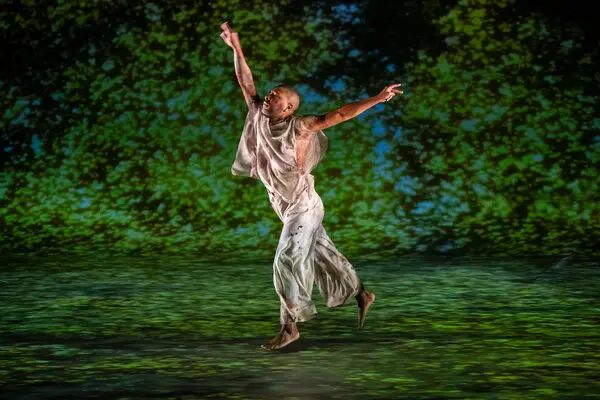
The relationship people have with their bodies is shaped by many experiences—personal beliefs, social expectations, memories, and the way they are treated by others. For many, the body becomes something to evaluate or criticize rather than something to appreciate and experience.
Dance offers a different path. Through movement, people can reconnect with their bodies, rediscover confidence, and develop a healthier sense of identity. Instead of focusing only on appearance, dance encourages awareness, expression, and appreciation for everything the body allows us to do.
Reclaiming your body through dance is not about achieving perfection. It is about rebuilding trust, creating a positive connection with yourself, and recognizing your body as a source of strength and expression.
Understanding the Relationship Between Body and Identity
The way people see their bodies can influence how they see themselves. When someone feels disconnected from their body, they may avoid certain activities, limit self-expression, or focus heavily on perceived imperfections.
However, the body is not simply an image to be judged. It is the place where people experience life. It allows them to move, communicate, create, and connect with the world.
Dance helps shift the focus from how a body appears to how it feels and functions.
Through movement, people begin to notice:
- The strength their bodies provide
- The emotions expressed through physical movement
- The unique ways they naturally move
- The connection between physical sensations and personal experiences
This awareness can become the foundation for a more positive relationship with the self.
Moving From Body Criticism to Body Appreciation
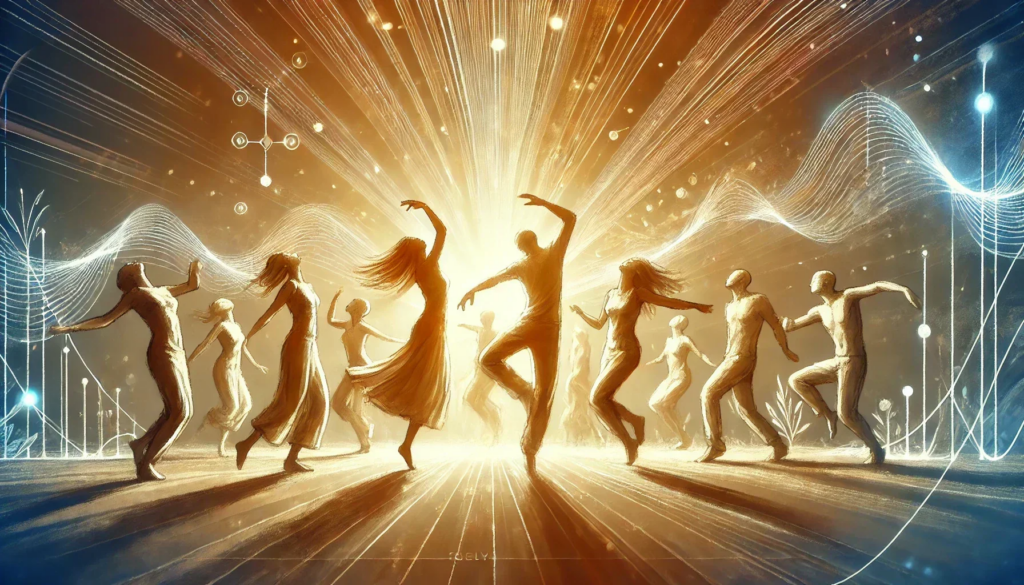
Many people have learned to view their bodies through a critical lens. They may compare themselves to unrealistic standards or focus on what they believe needs to change.
Dance encourages a different approach: appreciation instead of criticism.
When dancing, the body becomes a partner rather than an object of evaluation. Each movement becomes a reminder of what the body can do.
A shift in perspective might look like this:
- From “My body is not the right shape” to “My body allows me to express myself.”
- From “I am not coordinated enough” to “I am learning and discovering new abilities.”
- From “I need to change before I can participate” to “I deserve to move exactly as I am.”
This change does not happen instantly, but every positive movement experience can help strengthen self-acceptance.
How Dance Builds Body Confidence
Body confidence is not created only by changing appearance. It grows through familiarity, trust, and respect for the body.
Dance supports body confidence by helping people:
- Become more aware of their physical abilities
- Feel comfortable taking up space
- Experience joy through movement
- Develop trust in their bodies
- Express themselves without fear
When people move regularly, they often become more connected to their physical presence. They begin to recognize their bodies as capable and expressive rather than something separate from who they are.
Confidence develops through action. Each step, stretch, and movement can become a reminder that the body deserves attention and appreciation.
Dance as a Practice of Self-Acceptance
Self-acceptance means embracing yourself while allowing room for growth. It does not require feeling perfect or confident at every moment. Instead, it means creating a relationship with yourself based on kindness and understanding.
Dance supports self-acceptance by creating space for exploration.
A dancer can ask:
- What movements feel natural to me?
- How does my body respond to music?
- What emotions appear when I move?
- What strengths can I recognize in myself?
These questions encourage curiosity instead of judgment.
When people approach dance with openness, they often discover parts of themselves they may have overlooked.
Reconnecting With the Body Through Mindful Movement
Dance can become a form of mindfulness by bringing attention to the present moment. Instead of focusing on external expectations, dancers learn to notice their internal experiences.
Mindful movement involves:
- Paying attention to breathing
- Feeling physical sensations
- Observing emotions
- Moving with intention
- Respecting personal limits
This awareness helps people rebuild a connection with their bodies. They become more familiar with their own rhythms, preferences, and needs.
Over time, mindful movement can create a stronger sense of comfort and trust.
Letting Go of Comparison
Comparison can make people feel disconnected from their own experiences. In dance, it is easy to compare appearance, skill level, flexibility, or performance ability.
However, every person’s movement journey is different.
A healthier approach is to focus on personal growth:
- Notice your own progress.
- Celebrate small achievements.
- Explore movement that feels meaningful.
- Respect your unique abilities.
- Allow your expression to develop naturally.
Dance becomes more fulfilling when it is treated as a personal experience rather than a competition.
The Emotional Healing Power of Movement
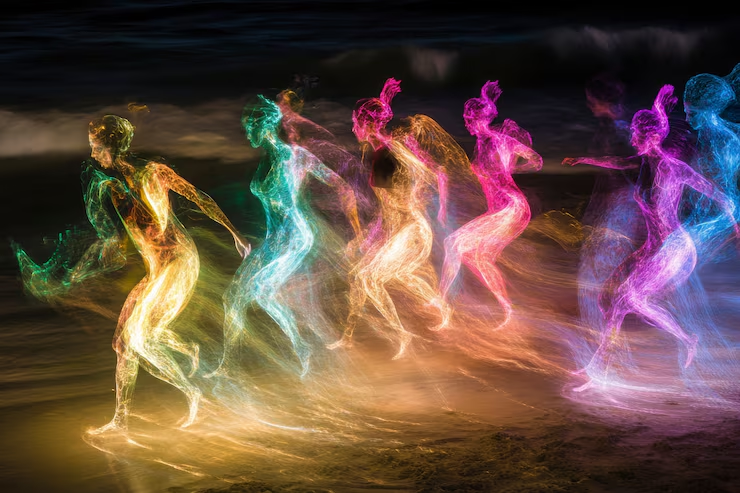
The body often carries emotional experiences. Stress, insecurity, and difficult memories can influence the way people feel physically.
Dance provides a way to reconnect with emotions and release tension through movement.
Through dance, people may experience:
- Emotional expression
- Increased confidence
- Greater self-awareness
- A sense of freedom
- Renewed connection with themselves
Movement allows people to communicate feelings that may be difficult to explain with words. It creates an opportunity to acknowledge emotions and move through them.
Creating a Healthier Sense of Identity
Identity is shaped by many parts of life, and the body is an important part of that experience. When people develop a positive relationship with their bodies, they often feel more connected to who they are.
Dance supports identity by encouraging people to:
- Express their individuality
- Recognize their personal strengths
- Feel comfortable being visible
- Explore creativity
- Accept themselves as they are
The goal is not to become someone different. It is to become more connected to the person you already are.
Making Dance Part of Your Self-Acceptance Journey
Anyone can use dance as a tool for self-connection. It does not require professional training or advanced skills.
Simple ways to begin include:
Dance Privately
Moving alone can help remove pressure and allow authentic expression.
Choose Music That Inspires You
The right music can create an emotional connection and encourage natural movement.
Focus on Experience
Pay attention to how movement feels rather than how it looks.
Give Yourself Permission to Explore
Try new styles, movements, and ways of expressing yourself without judgment.
Every movement experience can become a step toward greater self-understanding.
Conclusion
Reclaiming your body through dance is a journey toward acceptance, confidence, and connection. Movement allows people to move beyond criticism and discover a relationship with their bodies built on respect and appreciation.
Dance teaches that the body is not something to hide, fix, or compare. It is a source of creativity, communication, and personal expression.
By embracing movement, people can rediscover their strength, celebrate their individuality, and feel more at home within themselves.