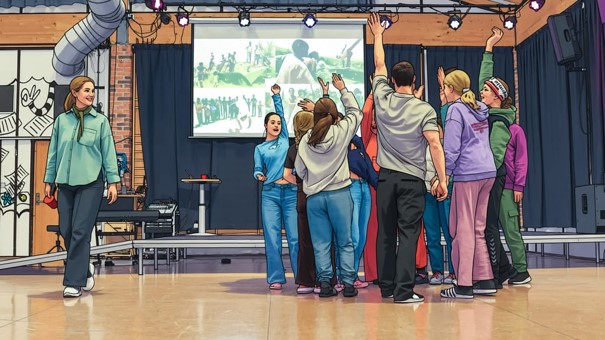
Dance has always been a universal form of expression. Across countries, cultures, and generations, people have used movement to celebrate, communicate, connect, and tell stories. While dance styles may look different around the world, the desire to express emotions and share human experiences remains the same.
The beauty of dance lies in its diversity. It does not belong to one culture, one body type, one ability level, or one way of moving. Dance becomes more powerful when different perspectives, traditions, and experiences come together.
By removing barriers and embracing diversity, dance creates a space where everyone can contribute something unique. Every movement carries a story, and every dancer brings a different voice to the art form.
Dance as a Universal Language
Before spoken words, humans used movement to communicate. Dance continues this tradition by allowing people to express feelings and ideas beyond language.
A dancer’s movements can communicate:
- Joy and celebration
- Personal experiences
- Cultural traditions
- Emotional journeys
- Connections between people
Because movement can be understood across language differences, dance has the ability to bring people together. A performance can create understanding between individuals who may have different backgrounds, beliefs, or experiences.
Dance reminds us that while people may express themselves differently, many human emotions are shared.
The Influence of Culture on Dance
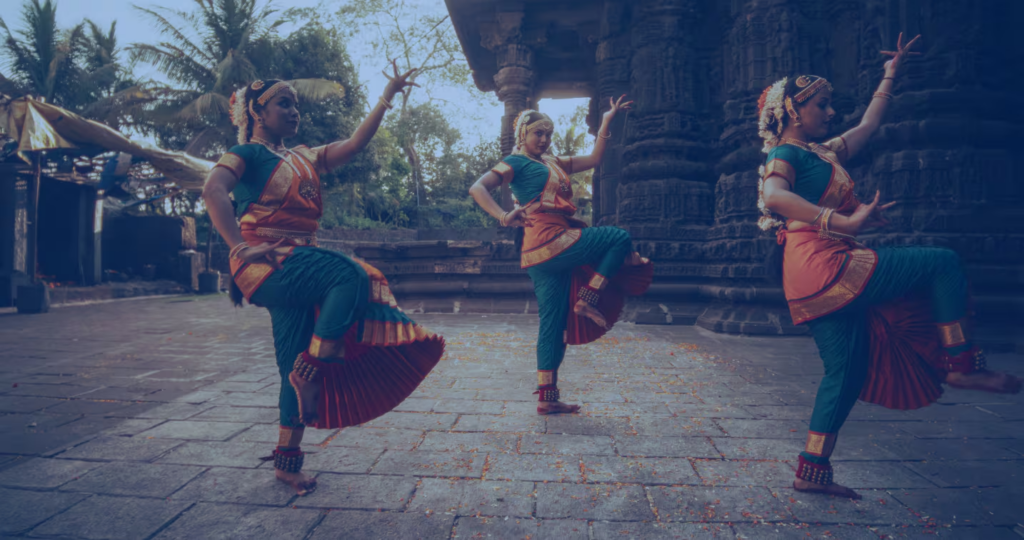
Every culture has its own relationship with movement. Traditional dances often preserve history, values, and stories passed from one generation to another.
Cultural dances may reflect:
- Community celebrations
- Spiritual practices
- Historical events
- Relationships between generations
- Connections to nature and identity
These traditions add richness to the global dance community. Each style introduces unique rhythms, movements, costumes, and meanings.
When people learn about dances from different cultures, they gain more than new techniques. They gain insight into the experiences and values of the communities that created them.
Celebrating Different Bodies in Dance
For many years, certain ideas about what a dancer should look like limited participation in dance. However, dance has never truly belonged to a specific body type.
Every body has the ability to move, express, and create.
Different bodies bring different strengths:
- Unique ways of interpreting movement
- Different forms of physical expression
- New perspectives on creativity
- Individual approaches to rhythm and space
A diverse dance world recognizes that movement is not defined by appearance. The value of a dancer comes from their expression, dedication, and connection to the art form.
When more body types are represented in dance, more people can see themselves as part of the movement.
Dance and Different Abilities
Dance is often associated with physical skills such as flexibility, balance, or strength. However, creativity and expression are not limited by physical ability.
People with different abilities contribute important perspectives to dance. Adaptive and inclusive approaches allow more individuals to participate and discover the joy of movement.
Inclusive dance recognizes that:
- Movement can take many forms.
- Expression does not require a specific physical ability.
- Creativity exists beyond traditional expectations.
- Every person has something meaningful to contribute.
A dancer’s relationship with movement is personal, and there are countless ways to experience and share dance.
Breaking Down Barriers Through Inclusion
Barriers in dance often come from assumptions about who belongs. Some people may believe they are too old, too inexperienced, not skilled enough, or different from traditional expectations.
Creating inclusive dance spaces challenges these ideas by welcoming people as they are.
Inclusion means:
- Encouraging beginners and experienced dancers equally
- Respecting different learning styles
- Making space for different perspectives
- Adapting practices when needed
- Valuing participation over perfection
When barriers are removed, more people have the opportunity to discover the confidence and connection that dance can provide.
How Diversity Makes Dance Stronger
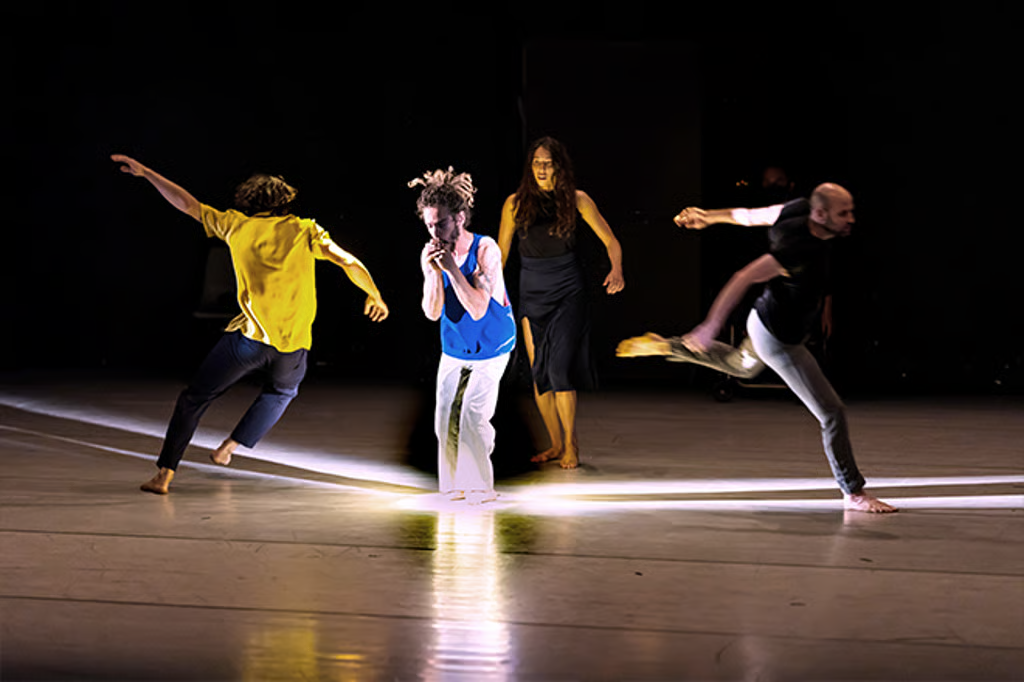
A diverse dance community creates opportunities for creativity and innovation. When people with different backgrounds come together, they bring new ideas and approaches to movement.
Diversity strengthens dance by:
Expanding Creativity
Different experiences inspire different movements, interpretations, and artistic choices.
Creating Deeper Connections
Sharing movement across backgrounds helps people understand and appreciate one another.
Challenging Expectations
New perspectives encourage dancers and audiences to rethink what dance can be.
Preserving and Sharing Traditions
Cultural exchange allows important dance traditions to continue while creating new forms of expression.
The more diverse the dance world becomes, the more possibilities it offers.
The Power of Representation in Dance
Seeing different people represented in dance can have a meaningful impact. Representation shows individuals that their identities and experiences belong within creative spaces.
When people see dancers who reflect different:
- Cultures
- Ages
- Body types
- Abilities
- Life experiences
they may feel encouraged to participate themselves.
Representation creates a sense of belonging. It tells people that dance is not reserved for a select group—it is an art form open to everyone.
Learning From One Another Through Movement
Dance creates opportunities for exchange and understanding. When people share movement, they share parts of their identity, history, and creativity.
Learning from different dancers can teach important lessons:
- Listen before judging.
- Appreciate differences rather than trying to erase them.
- Stay curious about other perspectives.
- Respect the origins and meanings behind movements.
- Recognize the value each person brings.
These lessons extend beyond dance and contribute to stronger communities.
Creating a Future Without Dance Barriers
The future of dance depends on continued efforts to make movement accessible and welcoming. This means encouraging diverse voices, supporting inclusive education, and creating environments where people feel comfortable expressing themselves.
A world without dance barriers is one where:
- Everyone has the opportunity to participate.
- Individual expression is celebrated.
- Differences are viewed as strengths.
- Creativity is accessible to all.
Dance grows when more people are invited to contribute their unique perspectives.
Conclusion
Dance without barriers celebrates the idea that movement belongs to everyone. Different cultures, bodies, abilities, and backgrounds do not divide dance—they make it richer, more creative, and more meaningful.
Every dancer brings a unique story, and every movement adds something valuable to the world of expression. When diversity is embraced, dance becomes more than an art form. It becomes a celebration of humanity, connection, and the endless ways people can move together.