
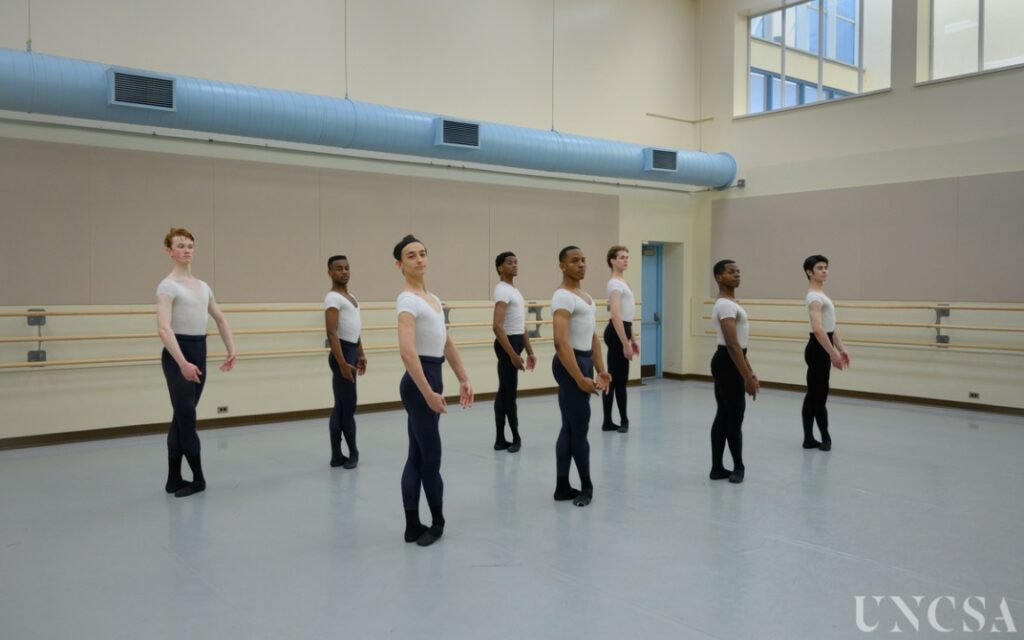
Dance has the power to bring people together, encourage self-expression, and create meaningful connections. However, for people to truly experience these benefits, they need an environment where they feel respected, accepted, and free to be themselves.
A safe dance space is more than a physical location. It is an atmosphere built on trust, kindness, and understanding. It allows people of all backgrounds, experience levels, and abilities to explore movement without fear of criticism or judgment.
When dancers feel safe, they are more willing to take risks, express emotions, and discover new aspects of themselves. Respectful dance environments create opportunities for people to feel seen, heard, and valued.
What Makes a Dance Space Feel Safe?
A safe dance environment is one where people feel comfortable showing up as they are. It does not require perfection, experience, or a certain appearance. Instead, it focuses on creating a culture of support and acceptance.
Several elements help build a respectful dance space:
- Respect: Every person’s body, experience, and personal boundaries are valued.
- Encouragement: Mistakes are treated as part of learning rather than something to criticize.
- Inclusion: Everyone has the opportunity to participate and express themselves.
- Trust: Dancers feel confident that they can explore movement without fear of embarrassment.
- Communication: People are encouraged to share their needs and experiences openly.
These qualities transform dance from a performance-based activity into a shared human experience.
Moving Beyond Fear of Judgment
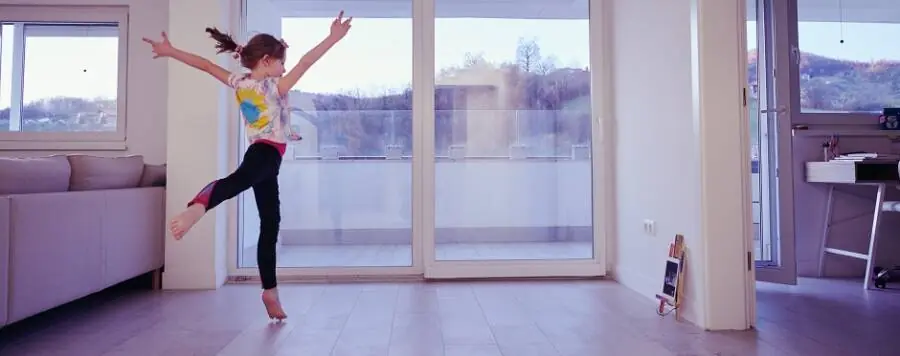
Many people hesitate to dance because they worry about how they will be perceived. They may fear making mistakes, looking different, or not being “good enough.” These concerns can prevent people from enjoying movement and discovering their own creativity.
A supportive dance environment helps remove these barriers by changing the focus from evaluation to exploration.
Instead of asking:
“Am I doing this correctly?”
Dancers can begin asking:
“What am I discovering through this movement?”
This shift creates freedom. When people no longer feel pressured to impress others, they can connect more deeply with their bodies and emotions.
The Role of Respect in Dance Communities
Respect is the foundation of every healthy dance community. It allows people with different experiences, skills, and perspectives to share the same space.
Respect in dance means recognizing that:
- Everyone has a different relationship with their body.
- People learn and express themselves at different speeds.
- Personal boundaries should always be honored.
- Individual creativity deserves appreciation.
- Feedback should support growth rather than create shame.
When respect is present, dancers feel encouraged to participate fully. They become more open to learning, collaborating, and supporting one another.
Why Feeling Seen Matters
Being seen means feeling recognized and appreciated as a whole person, not just as a performer. In dance, this can have a powerful impact on confidence and self-expression.
When people feel seen, they are more likely to:
- Express their emotions honestly
- Share creative ideas
- Take movement risks
- Connect with others
- Develop confidence in their abilities
A dancer does not need to be the most skilled person in the room to deserve attention and appreciation. Every person’s movement has value because it reflects their individual experiences.
Why Feeling Heard Matters
Dance may be a physical art form, but communication is still essential. A safe dance environment gives people opportunities to express their thoughts, preferences, and concerns.
Being heard can involve:
- Having personal boundaries respected
- Being able to communicate comfort levels
- Receiving constructive feedback
- Sharing creative opinions
- Feeling included in decisions
When dancers know their voices matter, they become more engaged and connected to the community around them.
Creating Inclusive Dance Experiences
Inclusivity means creating opportunities for everyone to participate. A truly welcoming dance space recognizes that people come with different abilities, backgrounds, and goals.
Inclusive dance practices may include:
Welcoming Beginners
New dancers should feel encouraged rather than intimidated. Everyone starts somewhere, and beginner experiences shape a person’s long-term relationship with movement.
Celebrating Different Bodies
There is no single type of body that belongs in dance. Every body can move, express, and create.
Respecting Different Learning Styles
Some people learn by watching, others through repetition, explanation, or exploration. Flexible teaching approaches allow more people to participate comfortably.
Encouraging Personal Expression
Dancers should have opportunities to interpret movement in their own ways rather than feeling pressured to copy others exactly.
The Importance of Trust in Creative Expression
Creativity requires vulnerability. When people dance, they reveal something personal through their movements. Without trust, many individuals may hold back or avoid expressing themselves fully.
A trusting environment allows dancers to:
- Experiment with new ideas.
- Make mistakes without fear.
- Explore emotions honestly.
- Develop their own style.
- Feel connected with others.
Trust creates the foundation for meaningful artistic expression.
How Teachers and Leaders Shape Dance Culture
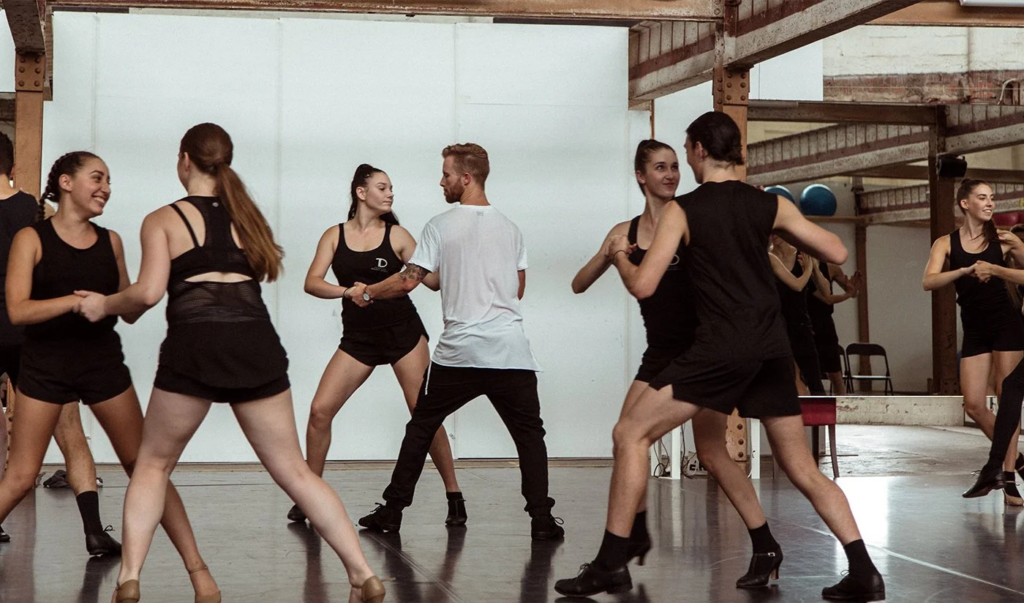
Dance instructors and community leaders play an important role in creating safe spaces. Their words, actions, and expectations influence how dancers interact with themselves and each other.
Supportive leaders can help by:
- Creating clear expectations for respectful behavior
- Offering encouragement alongside feedback
- Recognizing individual progress
- Listening to dancers’ experiences
- Addressing harmful behavior when it occurs
A positive dance culture begins with leadership that values people as much as performance.
The Benefits of Safe Dance Spaces
When people feel comfortable and accepted, dance becomes more than a physical activity. It becomes a place for connection, growth, and personal discovery.
Safe dance spaces can help people develop:
- Greater self-confidence
- Stronger social connections
- Emotional awareness
- Creative courage
- A positive relationship with movement
These benefits extend beyond the dance environment. The confidence and self-expression developed through dance can influence everyday life.
Dance as a Place Where Everyone Belongs
The most powerful dance spaces are not defined by perfection or achievement. They are defined by the way people treat one another.
A welcoming dance environment reminds people that they do not need to change who they are before they participate. They can arrive with their own experiences, abilities, and stories, and still belong.
Dance becomes truly meaningful when everyone has the opportunity to be seen and heard.
Conclusion
Creating safe spaces through dance allows people to explore movement without fear of judgment. When respect, inclusion, and trust are at the center of a dance community, individuals can discover confidence, creativity, and connection.
A dance space should not only teach people how to move—it should remind them that their presence matters. When everyone feels accepted, dance becomes a shared language where every person has the freedom to express who they are.