
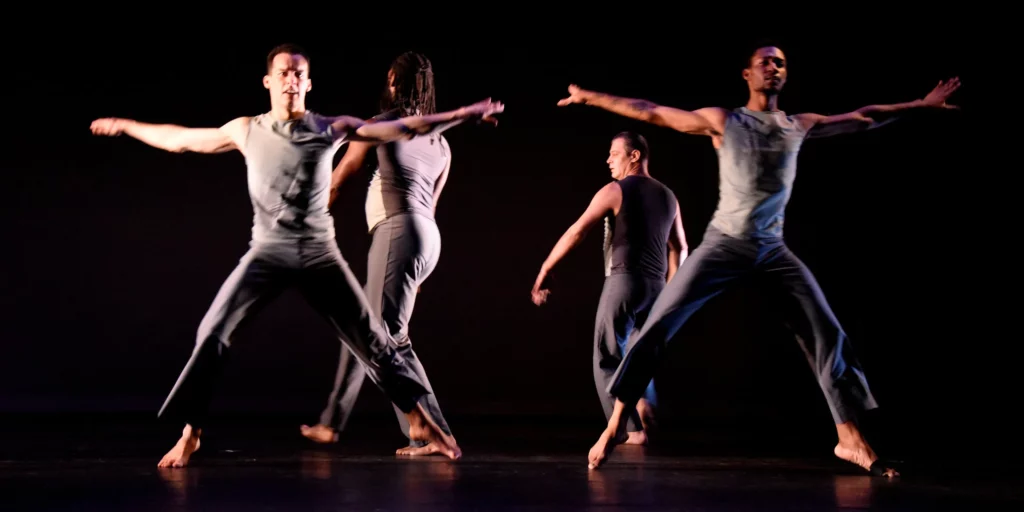
Dance is often associated with precision, technique, and the ability to perform movements perfectly. Many people believe they need to have natural talent, formal training, or flawless coordination before they can call themselves dancers. This belief can create hesitation and self-doubt, preventing people from experiencing the freedom and joy that movement can bring.
The truth is that dance is not only about perfect steps or impressive techniques. At its core, dance is a form of personal expression. Every person has a unique way of moving, feeling, and communicating through their body. There is no single correct way to dance because every movement carries a personal story.
Embracing individuality in dance means letting go of comparison and discovering the freedom to move authentically.
Dance Is Expression, Not Perfection
Many people approach dance with the idea that there is a right and wrong way to move. They worry about making mistakes, forgetting steps, or not matching the movements of others. While technique can be valuable, it is only one part of the dance experience.
Dance is a conversation between the body, emotions, and imagination. A movement does not need to be technically complex to be meaningful. A simple gesture, a change in rhythm, or a natural response to music can express something deeply personal.
The most memorable dancers are often not those who only execute movements perfectly. They are the ones who bring personality, emotion, and authenticity into their performance.
A dancer’s individuality can be found in:
- The way they interpret music
- The emotions they express through movement
- Their unique rhythm and timing
- Their personal style and energy
- The stories they communicate without words
These elements cannot be copied because they come from personal experience.
Moving Beyond Comparison
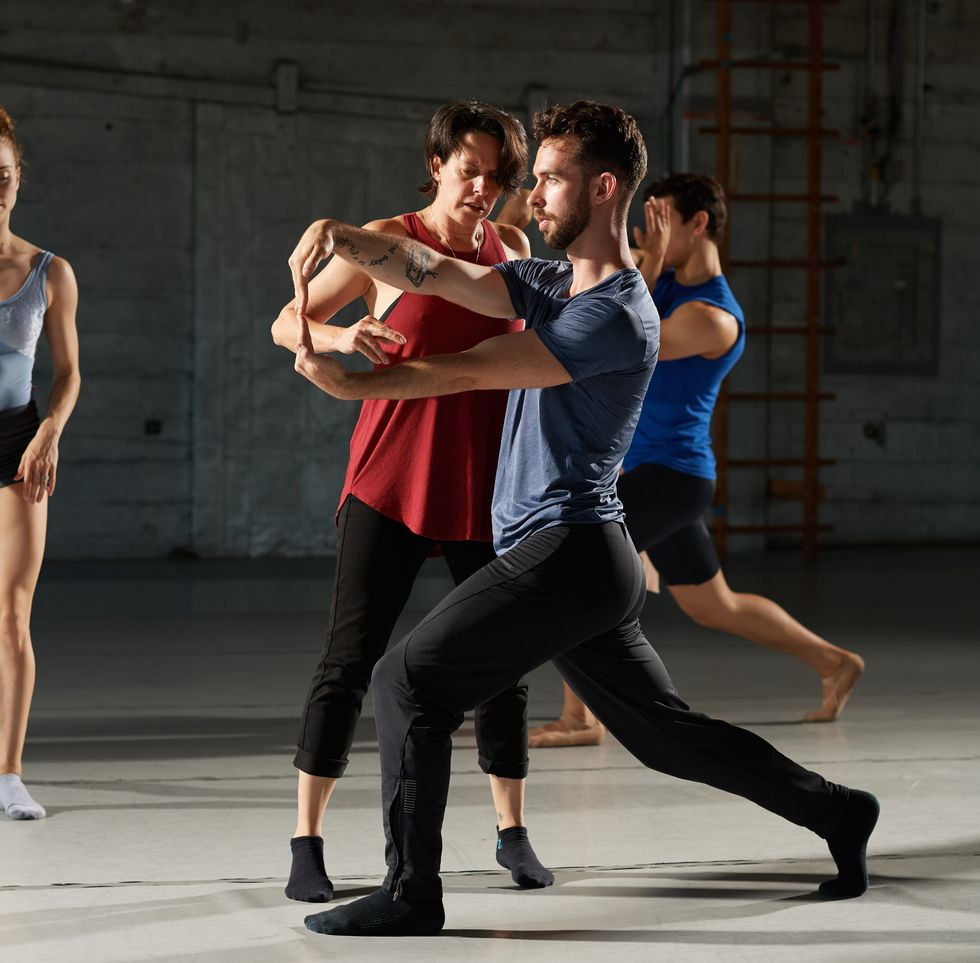
Comparison is one of the biggest barriers to enjoying dance. With the constant presence of social media, it is easy to compare personal abilities with professional dancers, performers, or people who have spent years developing their skills.
However, every dancer begins from a different place. Each person has their own body, background, confidence level, and relationship with movement.
Instead of asking:
“Am I as good as someone else?”
A more empowering question is:
“How can I express myself through movement?”
When the focus shifts from comparison to exploration, dance becomes more enjoyable and meaningful.
Everyone brings something different to movement. Two people can perform the same choreography and create completely different experiences because their personalities and emotions influence how they move.
The Importance of Finding Your Own Movement Style
A personal movement style develops naturally when people allow themselves to explore without judgment. It is not something that needs to be forced or created immediately.
Finding your own style involves paying attention to what feels natural:
- Which movements make you feel comfortable?
- What type of music inspires you?
- Do you prefer powerful, energetic movements or slow, expressive gestures?
- How does your body naturally respond to rhythm?
These discoveries help dancers develop confidence and authenticity.
A unique style does not mean ignoring technique. Instead, it means using technique as a foundation while allowing personal expression to shine through.
How Dance Builds Self-Confidence
Confidence in dance grows when people stop trying to become someone else and begin accepting their own abilities.
Every time a person chooses to move despite uncertainty, they strengthen their confidence. Small achievements—learning a new step, improving coordination, or simply feeling more comfortable moving—create a sense of progress.
Dance encourages confidence by teaching people to:
- Trust their bodies.
- Accept imperfections.
- Celebrate personal growth.
- Express emotions openly.
- Take creative risks.
The more people allow themselves to move freely, the less they rely on external approval. Confidence begins to come from within rather than from meeting outside expectations.
The Freedom of Improvisation
Improvisation is one of the clearest examples of individuality in dance. Without a fixed sequence of steps, dancers must listen to their bodies and respond naturally.
Improvisation encourages:
- Creativity
- Self-awareness
- Emotional expression
- Spontaneous decision-making
- Trust in personal instincts
There is no perfect improvisation because the goal is not to create a flawless performance. The goal is to explore movement honestly.
For many people, improvisation can be a powerful reminder that dance does not have to be controlled or judged. It can simply be experienced.
Why Technique and Individuality Can Coexist
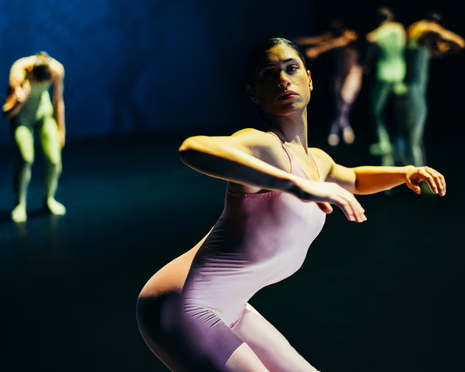
Some people believe that focusing on individuality means ignoring technique. However, technique and personal expression can work together.
Technique provides tools. Individuality determines how those tools are used.
A trained dancer can learn specific movements, improve physical control, and understand musical structure while still maintaining a unique identity. The most powerful performances often happen when skill and personality come together.
Learning technique should not limit creativity. Instead, it can create more opportunities for self-expression.
Creating a Healthier Relationship With Movement
A positive relationship with dance begins when movement becomes something enjoyable rather than something measured.
People can develop this relationship by:
Dancing Without Judgment
Allow yourself to move without constantly analyzing how you look. Focus on the experience rather than outside opinions.
Celebrating Progress
Growth does not always happen through dramatic changes. Small improvements and moments of enjoyment are valuable parts of the journey.
Listening to Your Body
Every body moves differently. Respecting your natural abilities helps create a healthier and more sustainable approach to dance.
Making Space for Creativity
Experiment with different movements, music styles, and ways of expressing yourself. Creativity grows when there is freedom to explore.
Dance as a Celebration of Individuality
At its heart, dance celebrates what makes people different. Every person carries unique experiences, emotions, and perspectives, and these qualities naturally appear through movement.
A dancer’s individuality is not something to hide or correct. It is the very thing that makes their movement meaningful.
The world does not need countless copies of the same dancer. It needs people who are willing to express themselves honestly and bring their own energy into the space.
Conclusion
There is no wrong way to move when the purpose of dance is connection, expression, and self-discovery. While technique and practice can help develop skill, the true power of dance comes from authenticity.
When people stop chasing perfection and start embracing their individuality, movement becomes a source of freedom and confidence. Every step, gesture, and rhythm becomes an opportunity to tell a personal story.
Dance is not about becoming someone else. It is about discovering the unique way only you can move.