
Many people experience moments of self-doubt when it comes to their bodies. They may feel disconnected from themselves, compare their appearance to others, or believe they are not capable of moving with confidence. In a world that often focuses on how bodies look rather than how they feel, developing a positive relationship with the body can be challenging.
Dance offers a different perspective. Instead of viewing the body as something to judge, dance encourages people to experience it as a source of creativity, strength, and expression. Through movement, individuals can build confidence, develop self-acceptance, and create a deeper connection with themselves.
The journey from self-doubt to confidence does not happen overnight. It develops through small moments of awareness, practice, and self-expression. Dance provides a safe space where people can explore who they are and learn to feel more comfortable in their own bodies.
The Connection Between Movement and Self-Confidence
Confidence is not only a mindset—it is also something that can be experienced physically. The way people stand, walk, breathe, and move can influence how they feel about themselves.
Dance helps develop confidence by encouraging people to:
- Take up space without apology
- Move with intention and awareness
- Trust their physical abilities
- Express emotions freely
- Celebrate progress rather than perfection
When someone learns a new movement, improves coordination, or simply allows themselves to move without judgment, they experience small victories. These moments gradually build a stronger sense of confidence.
The body begins to feel less like something that needs to be corrected and more like a partner that supports personal expression.
Breaking Free From Body Judgment
Many people grow up learning to evaluate their bodies based on external standards. They may focus on appearance, size, flexibility, or athletic ability instead of appreciating what their bodies can do.
Dance shifts the focus from appearance to experience.
A dancer does not need to have a specific body type, level of flexibility, or professional background to benefit from movement. Dance is about connection, communication, and exploration.
Through regular practice, people can begin replacing critical thoughts with more supportive ones:
- Instead of “My body is not good enough,” they may think, “My body allows me to experience movement.”
- Instead of “I cannot dance,” they may discover, “I am learning how to express myself.”
- Instead of focusing only on mistakes, they may recognize growth and improvement.
This change in perspective is one of the most valuable lessons dance can offer.
How Dance Encourages Self-Acceptance
Self-acceptance means recognizing and respecting yourself as you are while continuing to grow. Dance supports this process by creating opportunities to listen to the body rather than criticize it.
Movement encourages self-acceptance in several ways:
1. Learning to Appreciate What Your Body Can Do
Every movement requires strength, coordination, and awareness. Dancing helps people notice abilities they may have overlooked.
A simple step, stretch, or gesture can become a reminder that the body is capable of creativity and expression.
2. Developing a Personal Movement Style
There is no single correct way to dance. Each person brings their own personality, emotions, and experiences into movement.
This freedom allows individuals to discover what feels natural and authentic rather than trying to imitate someone else.
3. Creating a Positive Inner Dialogue
Dance encourages patience and curiosity. Instead of criticizing every mistake, dancers learn to approach challenges with encouragement.
This supportive mindset often extends beyond dance into everyday life.
The Role of Practice in Building Confidence
Confidence grows through experience. The more people engage with movement, the more comfortable they become with their bodies.
A beginner dancer may initially feel nervous or uncertain. They may worry about making mistakes or being judged. However, consistent practice creates familiarity and trust.
The process often follows these stages:
- Awareness – Noticing how the body feels and moves.
- Acceptance – Allowing imperfections and differences.
- Exploration – Trying new movements without fear.
- Expression – Using dance to communicate emotions and ideas.
- Confidence – Feeling comfortable and present in the body.
Each stage strengthens the relationship between movement and self-belief.
Dance as a Tool for Emotional Expression
Self-doubt is often connected to emotions such as fear, insecurity, or frustration. Dance provides a way to process these feelings through movement.
When people dance, they can express emotions without needing to explain them. A powerful movement, a gentle gesture, or a change in rhythm can communicate feelings that words cannot fully capture.
This emotional release can help people feel more connected to themselves. Instead of hiding difficult emotions, dance creates space to acknowledge and transform them.
Feeling Comfortable in Your Own Body
Feeling at home in your body means experiencing a sense of connection and trust. It does not mean loving every aspect of yourself at every moment. Rather, it means recognizing your body as an important part of who you are.
Dance helps develop this connection by encouraging:
- Awareness instead of criticism
- Curiosity instead of fear
- Expression instead of restriction
- Progress instead of perfection
When people move freely, they often discover that confidence comes from within. It is not created by achieving a certain appearance or reaching an external standard. It grows from feeling present, capable, and connected.
Simple Ways to Use Dance for Confidence Building
Anyone can begin using dance as a way to strengthen self-confidence. It does not require formal training or a specific environment.
Try these simple practices:
Dance Without an Audience
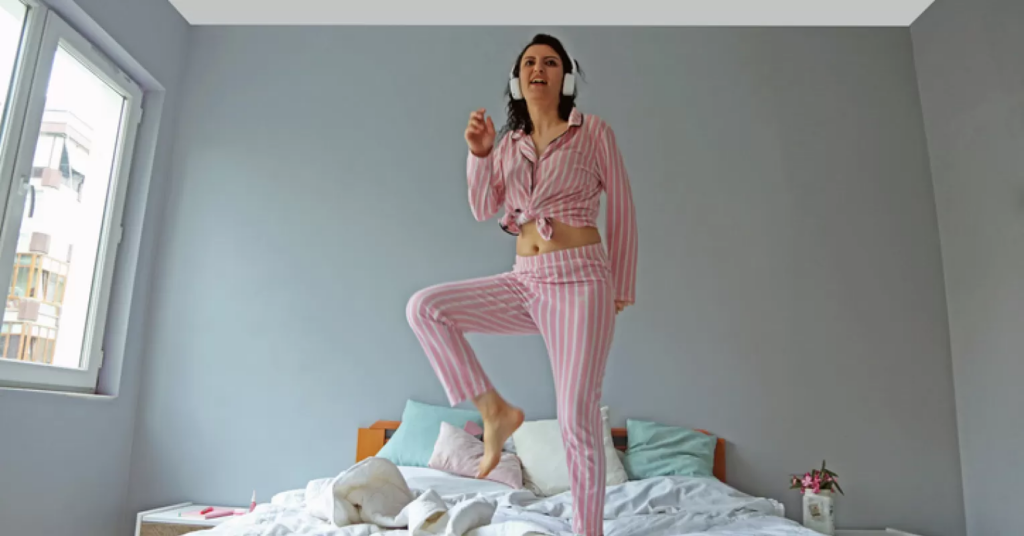
Set aside time to move privately without worrying about how you look. This allows you to focus on enjoyment and self-expression.
Focus on Feelings, Not Performance
Pay attention to how movement changes your mood and energy. The goal is connection, not perfection.
Celebrate Small Improvements
Notice moments when movement feels easier, more natural, or more enjoyable. Small changes create lasting confidence.
Explore Different Styles
Different types of dance can reveal different strengths and interests. Experimenting with styles helps you discover new ways to express yourself.
The Lasting Impact of Dance on Self-Confidence
The confidence developed through dance often extends beyond the studio or practice space. People may become more comfortable speaking, connecting with others, trying new experiences, and embracing challenges.
Dance teaches an important lesson: confidence is built through action. By allowing yourself to move, learn, and express yourself, you create a stronger relationship with your own body.
Conclusion
Dance is more than a physical activity—it is a pathway toward self-confidence and self-acceptance. Through movement, people can replace self-doubt with awareness, judgment with appreciation, and insecurity with connection.
Every step, gesture, and rhythm provides an opportunity to understand yourself more deeply. By embracing dance, you can learn to feel comfortable, confident, and truly at home in your own body.