
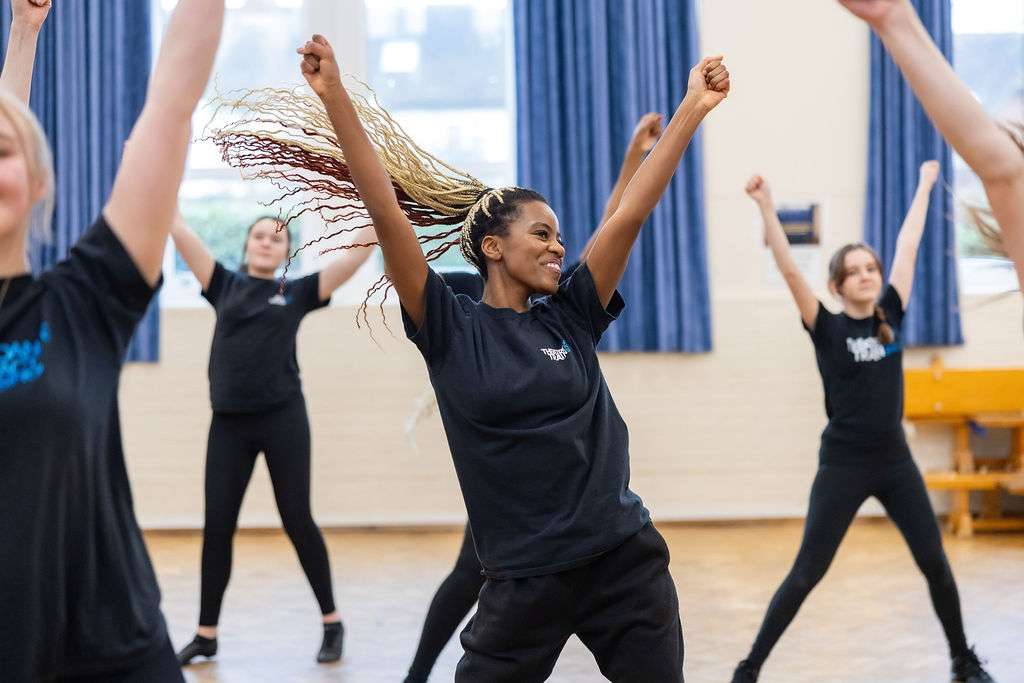
Self-Expression Through Movement: Discovering Your Authentic Self
Finding a way to express who we truly are is an important part of personal growth. While many people communicate through words, conversations, or written expressions, there are moments when language feels incomplete. Emotions, memories, dreams, and personal experiences can be difficult to explain. Dance provides another form of communication—one where the body becomes a voice.
Through movement, people can express their authentic selves without fear of judgment. Dance creates a space where individuals can explore emotions, embrace creativity, and share their personal stories in a way that feels natural and meaningful.
More than just a physical activity, dance is a journey of self-discovery. It allows people to connect with their inner thoughts and communicate feelings that may have remained hidden.
The Connection Between Movement and Identity
Every person has a unique way of moving. The way someone walks, gestures, or responds to music reflects aspects of their personality and emotions. Dance builds upon these natural expressions and transforms them into intentional forms of communication.
Movement allows individuals to explore questions such as:
- Who am I?
- What emotions do I want to express?
- What stories do I want to share?
- How do I connect with others?
Unlike traditional forms of communication, dance does not require people to find the “perfect” words. Instead, it encourages honesty and individuality. A dancer’s movements are shaped by their experiences, feelings, and imagination, making every performance deeply personal.
Dance as a Safe Space for Authentic Expression
Many people spend their daily lives adapting to expectations from others. They may adjust how they speak, behave, or present themselves depending on the situation. Dance offers a different experience—a place where individuals can express themselves freely.
When dancing, people can:
- Release emotions they struggle to describe
- Explore different parts of their personality
- Express creativity without limitations
- Feel connected to their bodies and emotions
- Build confidence through personal expression
A dance studio, performance space, or even a private room can become a place where judgment disappears and authenticity takes priority.
The focus is not on being perfect. The focus is on being genuine.
How Dance Helps People Overcome Fear of Judgment
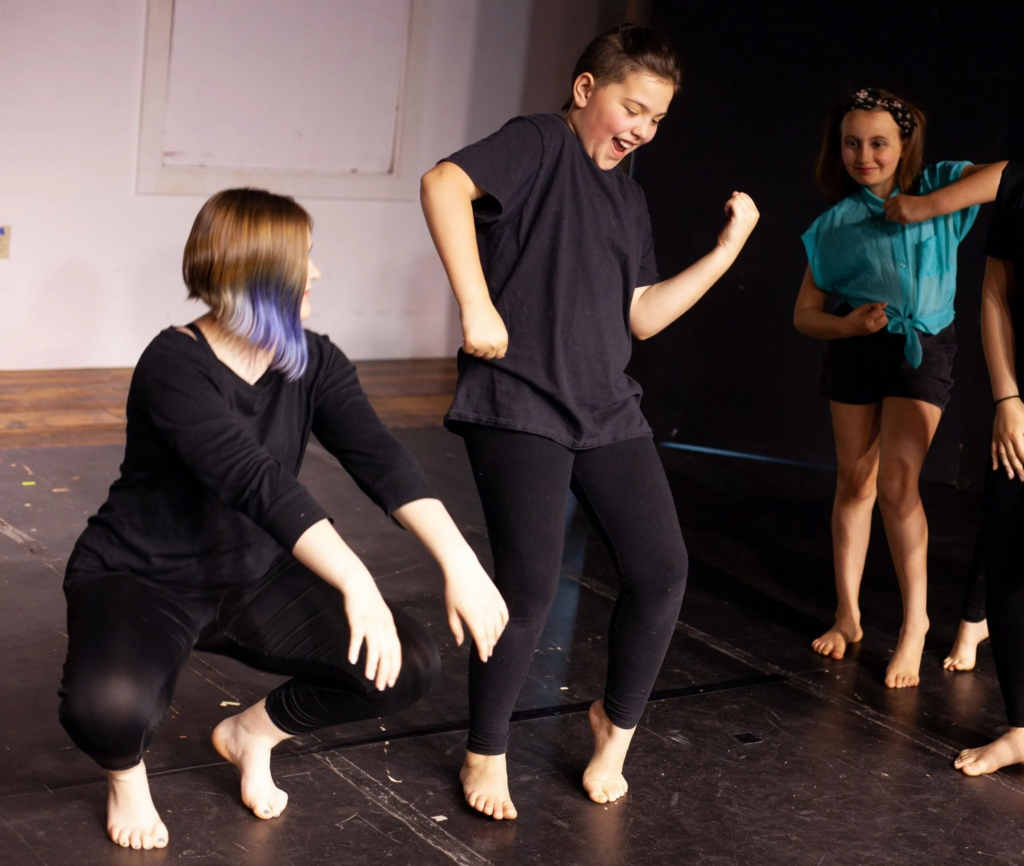
One of the biggest barriers to self-expression is the fear of being criticized. Many people hesitate to share their thoughts, emotions, or creativity because they worry about how others will respond.
Dance helps challenge that fear by encouraging acceptance and exploration.
Embracing Individuality
There is no single “correct” way to express emotion through movement. Two dancers can perform the same routine and create completely different experiences because each person brings their own personality and interpretation.
This freedom allows dancers to celebrate what makes them unique.
Building Confidence Through Movement
As people become more comfortable expressing themselves physically, they often develop greater confidence in other areas of life. Learning to trust their movements can help them trust their instincts, ideas, and abilities.
Dance teaches that personal expression does not need approval from others to have value.
Creating Emotional Freedom
Movement allows people to experience emotions without needing to explain or justify them. A dancer can express happiness, frustration, hope, sadness, or excitement simply through their body.
This emotional freedom can create a deeper understanding of oneself.
The Healing and Transformative Effects of Dance
Dance has the ability to transform how people see themselves. Through movement, individuals can process experiences, release emotions, and create a stronger connection with their own identity.
Many people use dance as a way to:
- Manage stress and emotional pressure
- Process difficult experiences
- Improve self-awareness
- Develop a positive relationship with their bodies
- Find moments of joy and freedom
The transformation does not happen only during performances. It happens during practice, exploration, and moments of personal discovery.
Each movement becomes an opportunity to learn something new about yourself.
Different Ways Dance Encourages Self-Expression
Dance is a diverse art form with countless styles, and each one provides unique opportunities for personal expression.
Improvisational Dance
Improvisation encourages dancers to create movements spontaneously. Instead of following a fixed routine, they respond to emotions, music, and the moment.
This style helps people trust their instincts and embrace creativity without overthinking.
Contemporary Dance
Contemporary dance focuses heavily on emotional storytelling and personal interpretation. Dancers often use movement to explore complex feelings, personal experiences, and meaningful themes.
It encourages honesty and vulnerability.
Social and Freestyle Dance
Styles such as freestyle, street dance, and social dancing allow individuals to express personality and energy in their own way. These forms emphasize connection, individuality, and confidence.
Cultural Dance
Traditional dances allow people to connect with heritage, history, and community. They provide a way to express shared identity while preserving important stories and traditions.
Every style offers a different pathway to self-expression.
Dance as a Way to Tell Your Personal Story
Everyone carries experiences that shape who they are. Some memories are easy to share, while others are difficult to put into words. Dance gives people the ability to communicate these stories through movement.
A dancer may use movement to represent:
- A personal challenge they overcame
- A meaningful relationship
- A dream they continue to pursue
- A moment that changed their life
- A feeling they want others to understand
The beauty of dance is that personal stories can be shared without explanation. The audience connects with the emotion behind the movement.
The Relationship Between Body, Mind, and Emotion
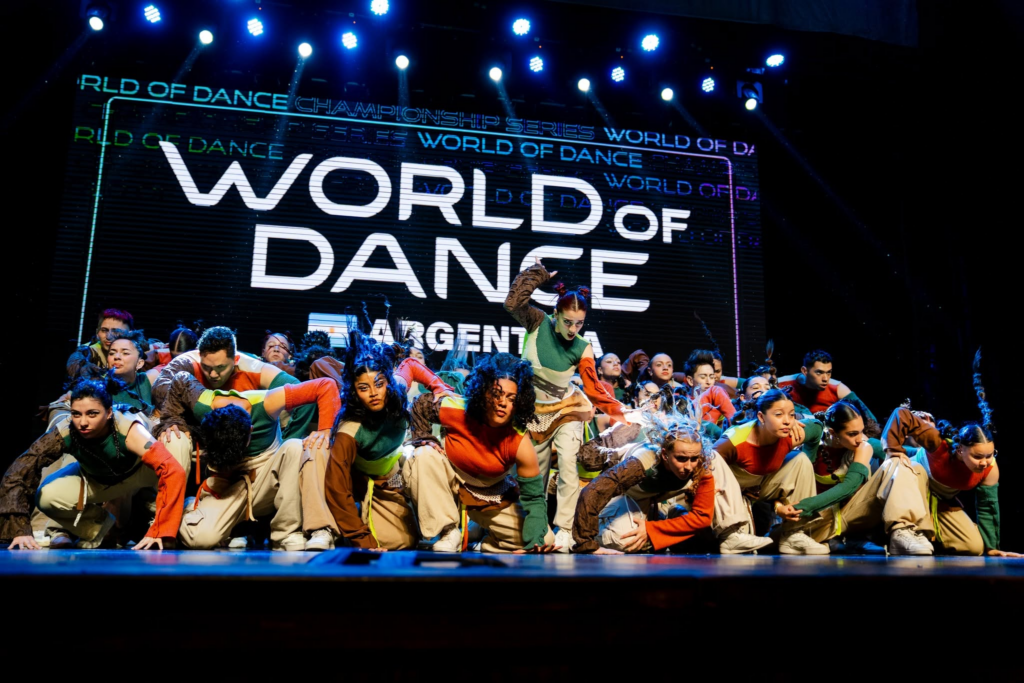
Dance creates a powerful connection between physical movement and emotional awareness. When people move intentionally, they become more aware of their bodies, thoughts, and feelings.
This connection can help individuals:
- Recognize emotions more clearly.
- Develop greater self-confidence.
- Express thoughts that are difficult to communicate verbally.
- Feel more present and connected to themselves.
Dance reminds people that the body is not just something that moves—it is a powerful tool for communication and creativity.
Finding Freedom Through Movement
True self-expression comes from the ability to be honest about who we are. Dance provides a pathway to that honesty by allowing people to communicate beyond expectations and limitations.
A dancer does not need to have perfect technique or professional training to experience the power of movement. The most meaningful expressions often come from authenticity, not perfection.
When people allow themselves to move freely, they discover a unique voice—one that exists beyond words.
Dance as a Celebration of Individual Expression
Dance is more than choreography, rhythm, or performance. It is a reflection of human emotion and identity. It gives people permission to explore themselves, share their stories, and connect with others in meaningful ways.
Through movement, people can discover confidence, creativity, and emotional freedom. Dance becomes a language where every person has something valuable to say.
When words are limited, movement speaks. And through that movement, people can find their true voice.