
Self-Expression Through Movement: Finding a Voice Beyond Words
Human beings have always searched for ways to express what they feel. While language helps us communicate thoughts, ideas, and experiences, some emotions exist beyond the limits of spoken words. Joy, grief, passion, fear, love, and memories can be difficult to explain, but they can often be felt through movement. This is where dance becomes a powerful form of self-expression.
Dance transforms the body into a storytelling tool. Through gestures, rhythm, posture, and energy, dancers communicate emotions and experiences that may be impossible to describe with ordinary conversation. A single movement can carry meaning, reveal vulnerability, or connect people across cultures and backgrounds.
Unlike spoken language, dance does not require translation. It speaks directly to human emotions.
The Emotional Power of Movement
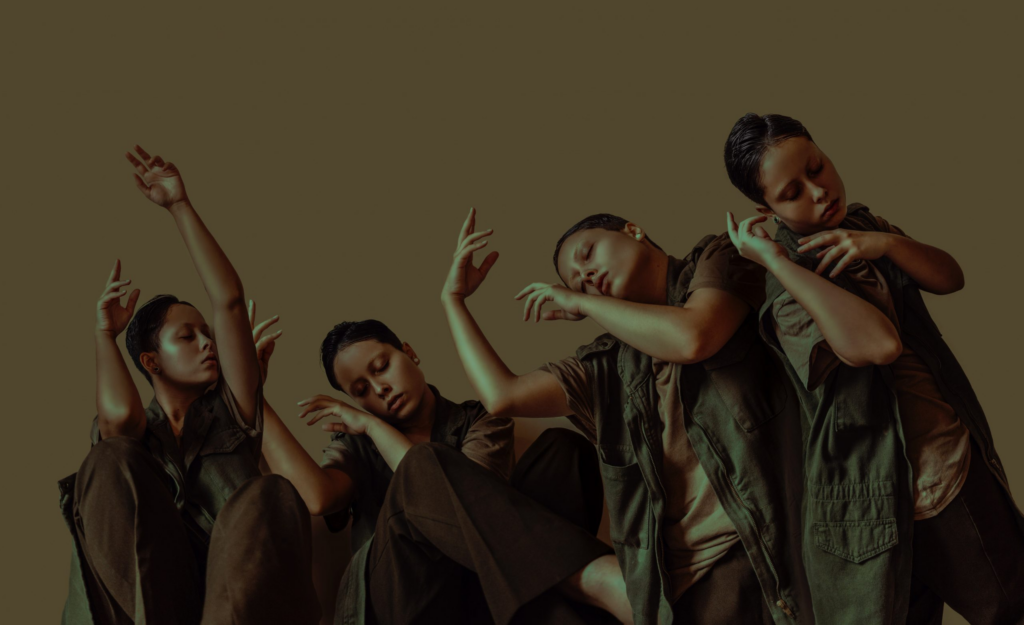
Every movement has the potential to communicate something meaningful. A slow, gentle motion may express sadness or reflection, while energetic movements can represent excitement, freedom, or celebration. The way a dancer moves through space often reveals an emotional journey.
Dance communicates through several elements:
- Body language: Posture, facial expressions, and gestures reveal feelings without the need for words.
- Rhythm and timing: The speed and flow of movement can create different emotional experiences.
- Energy and intensity: Strong, powerful movements can express confidence or passion, while softer movements can show sensitivity or vulnerability.
- Space and direction: The way dancers use space can symbolize connection, isolation, conflict, or transformation.
A dancer does not simply perform steps; they share a personal experience. Each movement becomes a sentence, each sequence becomes a story, and each performance becomes a conversation between the dancer and the audience.
Why Dance Expresses What Words Cannot
Words are powerful, but they have limitations. Sometimes emotions are too complex, personal, or overwhelming to explain. A person experiencing loss, deep happiness, or a life-changing moment may struggle to find the right words. Dance provides another way to communicate those feelings.
1. Dance Captures Unspoken Emotions
Many emotions exist beneath the surface. People may hide sadness behind a smile or struggle to explain feelings they do not fully understand themselves. Through movement, those hidden emotions can find an outlet.
A dancer can express:
- Memories from the past
- Personal struggles
- Dreams and hopes
- Inner conflicts
- Moments of transformation
The body often reacts to emotions naturally. Dance allows those natural responses to become intentional expressions.
2. Dance Tells Stories Without Dialogue
Throughout history, people have used movement to tell stories. Before written language developed, communities used dance to share traditions, celebrate important events, and pass down cultural knowledge.
Today, dance continues this tradition through performances that explore human experiences. A choreographed piece can portray relationships, personal challenges, social issues, or imaginary worlds without a single spoken sentence.
The audience understands the story not because it is explained, but because it is felt.
3. Dance Creates Emotional Connections
One of the most powerful aspects of dance is its ability to create connection. When someone watches a dancer express genuine emotion, they often recognize something familiar within the performance.
A dancer’s movement can remind viewers of:
- Their own experiences
- Personal memories
- Shared human emotions
- Moments of change or growth
This emotional connection is what makes dance meaningful. It creates understanding between people who may have different languages, cultures, or backgrounds.
The Relationship Between Music, Movement, and Emotion
Dance and music have always shared a close relationship. Music provides rhythm and atmosphere, while movement gives those sounds a physical form. Together, they create a deeper emotional experience.
A dancer does not simply follow music; they interpret it. The same piece of music can inspire different movements depending on the dancer’s feelings, background, and imagination.
For example:
- A slow melody may inspire movements that reflect longing or reflection.
- A powerful beat may encourage expressions of strength and excitement.
- A changing rhythm may represent uncertainty, growth, or emotional transformation.
The connection between sound and movement allows dancers to communicate emotions on multiple levels.
Dance as a Personal Journey of Self-Discovery
Beyond performance, dance is a way for individuals to understand themselves. Movement allows people to explore emotions, release stress, and discover new aspects of their identity.
Many dancers describe the experience as a form of emotional release. When they move, they are not only performing for others but also connecting with their own thoughts and feelings.
Dance can help people:
- Build confidence and self-awareness
- Process difficult emotions
- Express creativity
- Develop a stronger connection with their bodies
- Discover personal stories they want to share
For many, dance becomes a safe space where they can be completely authentic.
Different Forms of Dance as Emotional Expression
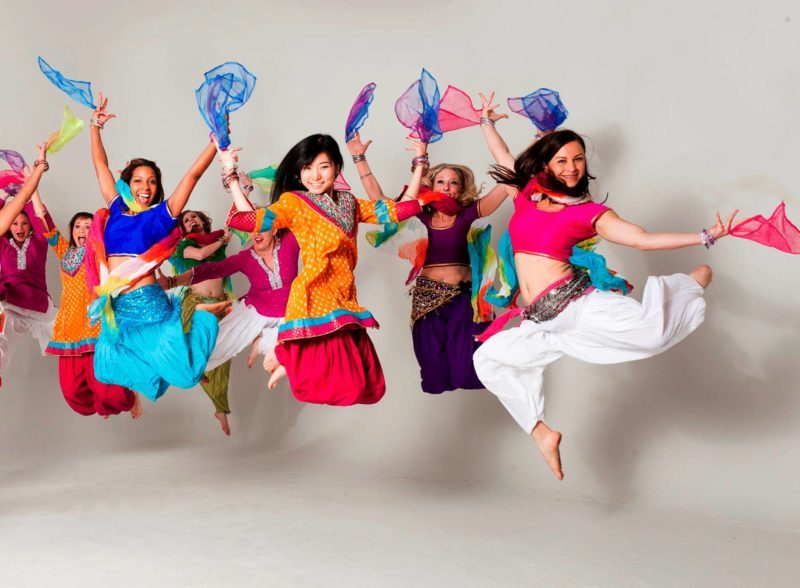
Every style of dance has its own unique way of communicating feelings.
Contemporary Dance
Contemporary dance often focuses on personal expression and emotional storytelling. Dancers use creative movements, improvisation, and unusual techniques to explore complex feelings and ideas.
Ballet
Ballet combines technical precision with emotional expression. Through graceful movements, dancers can portray romance, conflict, tragedy, and beauty.
Hip-Hop
Hip-hop dance often reflects individuality, confidence, and personal experiences. It can communicate identity, social messages, and cultural stories through powerful movement.
Traditional and Cultural Dance
Traditional dances preserve history and community values. They allow people to express shared experiences, celebrate heritage, and maintain connections across generations.
Each dance style offers a different language, but all share the same purpose: expressing what exists inside the human heart.
How Dance Helps People Communicate More Authentically
In a world where communication often depends on screens and written messages, dance offers a reminder of the importance of physical expression. It allows people to communicate in a more instinctive and emotional way.
Authentic dance does not require perfection. The most meaningful performances often come from honesty rather than flawless technique. A simple movement filled with genuine emotion can have a greater impact than a complicated routine without feeling.
The true language of dance is not about the steps themselves. It is about the emotions behind them.
The Universal Language of the Human Body
Dance proves that communication is not limited to words. Across cultures and generations, people have used movement to express feelings, share stories, and connect with others.
When words fail, the body continues the conversation. A gesture, a step, or a moment of stillness can reveal emotions that language cannot capture.
Dance is more than an art form. It is a universal language of emotion, allowing people to share their experiences, understand one another, and express the deepest parts of who they are.